
 lyang_huang@gadetin.com.cn
gadetin@gadetin.com.cn
 +86 136 7623 8313
 +86 153 3806 1804
 09:00 - 18:00
 No.2 Zhenglong 1st street, Dawang National Hi-tech Developmet Zone, Zhaoqing City, Guangdong, China

Finding a low MOQ skincare manufacturer is not simply about finding a factory willing to accept a small order. You also need to understand what the minimum order quantity (MOQ) covers, how your formula and packaging choices affect that minimum, and whether the manufacturer can maintain consistent quality at your intended production volume.
For indie beauty brands and direct-to-consumer businesses, a smaller first order can reduce the amount of cash tied up in inventory. However, a manufacturer advertising a low MOQ may still require a larger commitment for custom formulas, ingredients, or packaging components.
The key is to compare the complete production requirements rather than the headline MOQ. This guide explains why skincare manufacturers set minimum order quantities, how different production models affect those minimums, and how to evaluate suppliers before committing to an order.
1. Why Do Skincare Manufacturers Set Minimum Order Quantities?
A minimum order quantity is the smallest production quantity a manufacturer will accept under specified conditions. In skincare manufacturing, the MOQ may depend on the formula, raw materials, production setup, filling process, and packaging components. It is not necessarily the same for every product made by the same factory.
Raw Material Purchasing
Cosmetic ingredients may be purchased in fixed package sizes or in quantities that are more economical for larger production runs. If a formula requires ingredients that are difficult to source in small amounts, the manufacturer may set a higher minimum or charge more for a small batch.
Batch Preparation and Production Setup
Preparing a skincare batch can involve weighing ingredients, mixing, heating or cooling where required, equipment setup, cleaning, filling, and quality checks. These steps take time even when the order is small.
Because setup and cleaning costs must be covered regardless of batch size, small orders can have a higher unit cost than larger production runs.
Packaging Procurement
Bottles, pumps, jars, caps, labels, and cartons can each have separate minimum purchase quantities. Standard stock packaging may be available in smaller quantities, while custom colors, printing, and specially manufactured components may require larger orders.
This is why a manufacturer may be able to produce a small batch of skincare formula but still require the customer to purchase more packaging than the finished order needs.
Production Efficiency and Scheduling
Manufacturers must allocate equipment, staff, production time, and cleaning procedures to each order. Some can accommodate small runs through flexible scheduling, while others set higher minimums to keep production efficient.
When comparing suppliers, ask which factors determine the MOQ for your specific product. A useful answer should distinguish between formula requirements, packaging requirements, and the minimum quantity the factory needs to run production.
2. How Production Models Affect Skincare MOQ
Before comparing a low MOQ skincare manufacturer with other suppliers, identify the production model you need. Using an existing formula with stock packaging is different from developing a custom formula and ordering bespoke containers.
| Production Model | How It May Affect MOQ | What to Confirm |
|---|---|---|
| White-label or stock formula | An existing formula can reduce development work and may make a smaller initial order more practical. | Which existing formulas are available, and what is the minimum finished-product order? |
| Private label with selected customization | Branding and selected product options may be customized without developing an entirely new formula, depending on the manufacturer's offering. | Which elements can be customized without triggering additional development or packaging minimums? |
| Custom formulation | Development, sampling, ingredient sourcing, and testing can introduce additional costs and requirements. | Are development, sampling, testing, and production subject to separate fees or minimums? |
| Stock packaging | Ready-made containers may be available in smaller quantities than custom-manufactured components. | Which bottle, jar, pump, and closure options are available for small orders? |
| Custom packaging | Custom colors, printing, tooling, and component procurement may increase minimum quantities and upfront costs. | Does each packaging component have a separate MOQ, setup fee, or tooling charge? |
These are general tendencies rather than fixed rules. A manufacturer may offer a low MOQ for a custom project under specific conditions, while another may require a larger order for an existing formula.
The important point is to ask for the MOQ of the complete finished product, not just the minimum for the formula or bulk product.
3. The Three Hidden Traps of Low MOQ Manufacturing
Trap 1: Formula MOQ vs. Packaging MOQ
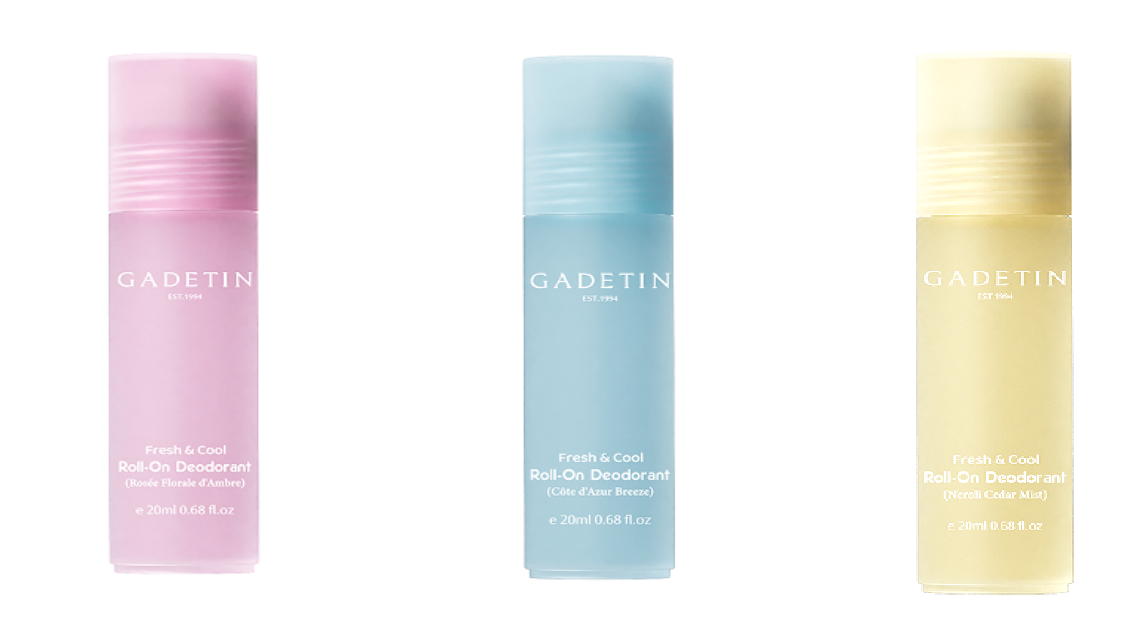
Many factories will quote a minimum for the formula or bulk product, but the packaging MOQ for bottles, pumps, jars, labels, and cartons may be much higher.
The Reality: If you order 500 units of face cream but the packaging supplier requires a minimum of 3,000 bottles, you are left with 2,500 empty bottles and the additional inventory cost.
The Solution: Ask whether the manufacturer offers stock packaging options. Ready-made containers can help you avoid the higher minimums associated with custom packaging. Confirm the available styles, colors, quantities, and compatibility with your formula before making a decision.
Trap 2: Hidden Costs and Compromised Quality
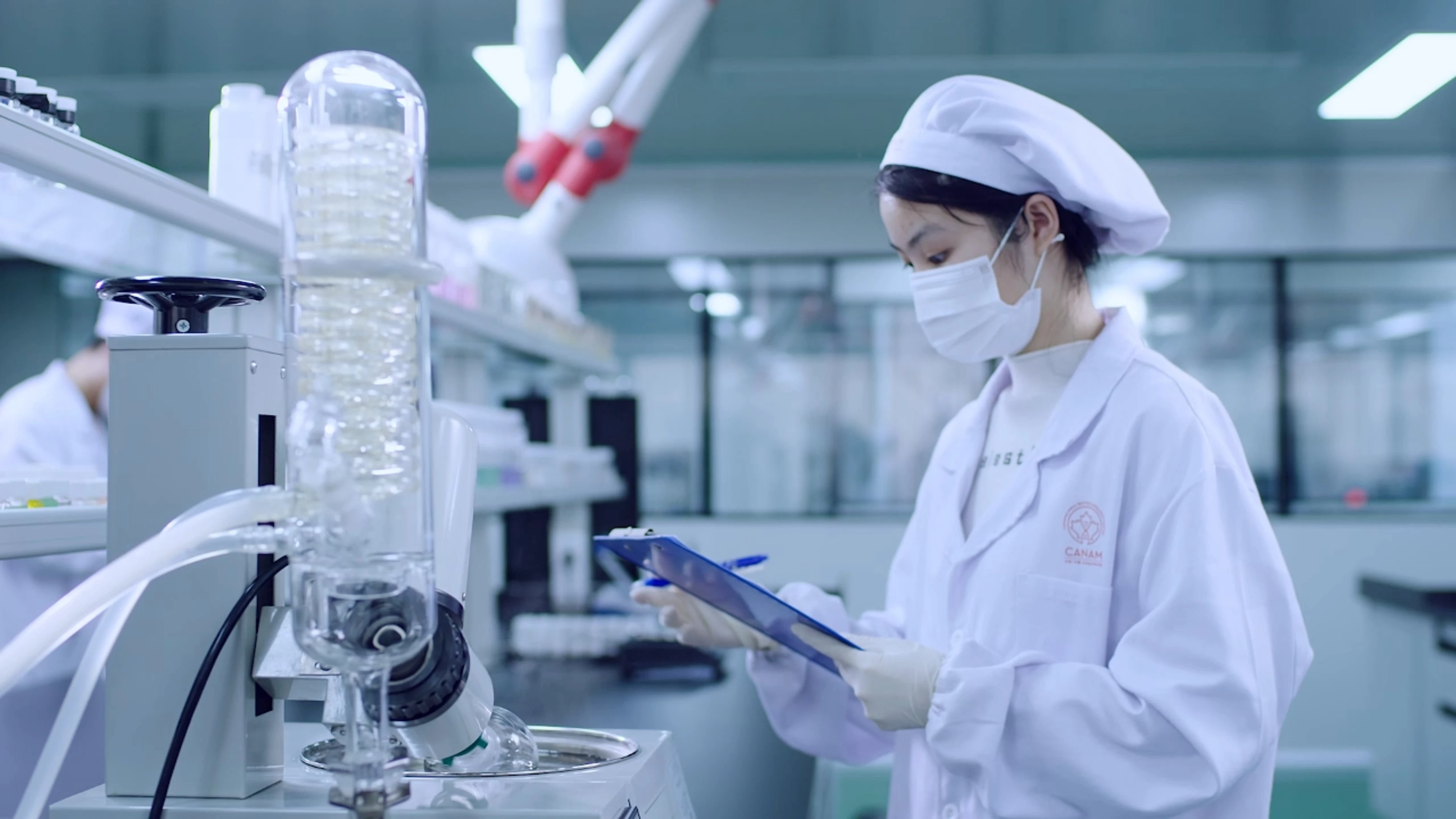
Small-batch production can cost more per unit because the factory must allocate setup time, clean equipment, and source raw materials for a smaller order. The total cost may also include sampling, testing, packaging, and other services that are not obvious in the initial unit price.
The Reality: A low quote is not necessarily a good deal if the supplier cannot explain the ingredients, product specifications, quality procedures, or charges included in the price. Some unreliable workshops may also substitute lower-cost ingredients for premium ingredients, potentially affecting the intended product specifications.
The Solution: Request a written cost breakdown and confirm the manufacturing facility's relevant quality systems. Ask to review applicable ISO 22716 and GMPC documentation, where relevant, and clarify their scope and validity. Gadetin's quality assurance information provides a starting point for discussing manufacturing quality and certification.
Trap 3: Being Treated as a Second-Class Citizen
Some manufacturers prioritize larger production orders when scheduling equipment and staff. A small brand may pay a 50% deposit but still face delays if the factory prioritizes a 100,000-unit order.
For a brand preparing a DTC or TikTok Shop launch, a three-month delay can affect campaign timing, inventory planning, and market momentum.
The Solution: Ask how the manufacturer schedules small orders and what happens if production falls behind. Request a written timeline covering sampling, approvals, packaging procurement, production, quality release, and dispatch. A flexible supply chain can also help coordinate packaging and manufacturing requirements.
Learn more about Gadetin's integrated supply chain and how coordinated sourcing and production can support product planning.
4. Traditional Factory vs. Flexible Manufacturer: What's the Difference?
When comparing low MOQ skincare manufacturers, do not evaluate the unit price alone. Consider how the factory's production model, packaging options, and scheduling policies affect your actual order requirements.
| Feature | Traditional Factory | Gadetin Flexible Manufacturer |
|---|---|---|
| Raw Material MOQ | 500 KG (Approx. 2,500 units) | 100 KG (Approx. 500 units) |
| Packaging MOQ | 5,000 units (Custom) | 500 units (Stock packaging available) |
| Lead Time | 60–90 days (Delays common) | 25–30 days (Small batch priority) |
| Sampling Cost | $300–$500 | Refundable / Free (Upon bulk order) |
Note: Actual numbers may vary based on specific formulations and container types. Contact us for exact details.
Use these figures as the stated comparison for the manufacturing options described above. Before placing an order, confirm which formula, packaging, sampling, and production conditions apply to your specific project.
5. How to Compare Low MOQ Skincare Manufacturers
Once you understand what drives MOQ, compare potential suppliers using the same product specifications. This helps you determine whether differences in price and minimum order quantity come from actual manufacturing flexibility or from differences in the products and services being quoted.
| Comparison Point | Questions to Ask | Why It Matters |
|---|---|---|
| Finished-product MOQ | What is the minimum for my exact formula and packaging combination? | Establishes the quantity you must actually purchase. |
| Formula and raw materials | Is this an existing or custom formula? Are separate ingredient minimums required? | Identifies additional purchasing or development requirements. |
| Packaging options | Can I use stock packaging? Does each component have its own MOQ? | Helps prevent excess packaging inventory. |
| Total project cost | Which services and components are included in the quotation? | Allows a fair comparison of the initial investment. |
| Quality assurance | Which specifications, testing procedures, and quality records apply? | Helps assess whether the supplier can meet your requirements. |
| Lead time | When does the quoted timeline begin, and which steps may delay production? | Provides a realistic basis for launch planning. |
| Sampling policy | What does sampling cost, how many revisions are included, and is the fee refundable? | Clarifies the cost and approval process before production. |
| Scalability | Can the manufacturer maintain the formula, specifications, and packaging as volume increases? | Helps reduce disruption when moving to larger repeat orders. |
For example, a supplier quoting a lower MOQ may offer only stock formulas and packaging, while another may offer custom development. These offers are not directly comparable until you account for the differences in scope.
When assessing a flexible manufacturing partner, evaluate the actual production capabilities and written terms available for your project rather than assuming that one manufacturing model is always better.
A Real-World Example of a Phased Skincare Launch
A low MOQ skincare manufacturer should do more than accommodate a small order. The right manufacturing partner can also help a brand evaluate formulation costs, test a new product with existing customers, and decide when to scale production.
Consider a skincare brand that already had an established customer base and wanted to develop a new brightening serum.
Starting with the Right Formula
The client provided several benchmark products and requested a custom formulation. However, the relatively high retinol concentration required for the proposed formula pushed the overall formulation cost beyond the client's expectations.
Simply reducing the amount of a key ingredient was not an ideal solution, as it could affect the intended product performance and positioning.
Instead of cutting costs at the expense of the original product concept, we suggested evaluating an existing, established formula with a more reasonable cost structure and a similar intended product positioning.
The client also compared proposals from other manufacturers before ultimately accepting our recommendation. We then adjusted the texture and incorporated selected target-claim ingredients to better align the product with the brand's positioning.
Testing Demand Before Full Production
Completing the formulation did not automatically mean that the product was ready for mass production.
Because the client already had an established brand and customer base, we recommended producing small trial samples first. This would allow existing customers to experience the new serum and provide feedback on the product experience and their willingness to purchase before the brand committed to a larger production run.
The client ultimately ordered 300 small-format trial samples to collect feedback from existing customers and inform the launch decision.
Scaling Production Based on Customer Feedback
After the initial product testing and evaluation, the client decided to proceed with production.
The first packaging order covered 10,000 units, while the initial serum production run was 5,000 units. The remaining packaging was reserved for subsequent orders, allowing the client to plan inventory in stages rather than committing all packaging to finished products immediately.
Five months later, the client placed a repeat order and purchased an additional 20,000 units of serum.
What This Example Shows
This project illustrates the practical value of a phased product launch. Rather than committing to a large quantity of finished products from the outset, the brand first used trial samples to gather customer feedback, then proceeded with production and expanded its order volume as business needs developed.
For brands comparing low MOQ skincare manufacturers, the lesson is that MOQ should not be evaluated in isolation. Formula selection, packaging procurement, initial production volume, and the ability to scale subsequent orders all influence how much capital a brand commits at each stage.
OEM/ODM manufacturing is not simply about fulfilling a production order. A suitable manufacturing partner can help a brand assess formulation options, manage costs, and plan production around its product development and market needs.
6. How to Vet a Low MOQ Skincare Manufacturer Before Placing an Order
Before paying a deposit, use this five-step checklist to verify the manufacturer's actual terms and capabilities.
Verify the complete MOQ.Confirm the minimum finished-product quantity, the formula or bulk-product minimum, and the minimum for each packaging component.
Request a full cost breakdown.Ask for itemized pricing covering the formula, packaging, sampling, production, testing, and any applicable additional charges.
Check relevant quality documentation.Request current certificates and confirm their scope, validity, and issuing body. Discuss the quality controls and documentation applicable to your product.
Confirm the production timeline.Obtain a written schedule that covers sampling, approvals, packaging procurement, manufacturing, quality release, and dispatch.
Clarify the sampling policy.Confirm sample charges, revision limits, shipping fees, approval procedures, and whether sampling fees can be refunded or credited toward a bulk order.
Confirm Compliance Responsibilities for Your Target Market
For products intended for the US or EU markets, clarify which party is responsible for applicable regulatory documentation and compliance obligations.
For the US market, discuss applicable MoCRA requirements, including facility registration and product listing where required. For the EU market, confirm the applicable cosmetic product safety assessment and documentation requirements, including the Cosmetic Product Safety Report (CPSR) where required.
Requirements depend on the product, destination market, and parties involved. Do not assume that a factory certificate alone establishes full product compliance.
You can use the same framework when evaluating Gadetin's low MOQ skincare solutions.
Conclusion: Choose a Manufacturer Based on the Complete MOQ
Choosing a low MOQ skincare manufacturer is about more than finding the smallest advertised order quantity. You need to understand how the formula, raw materials, packaging, production setup, and quality requirements affect the quantity and cost of your finished products.
As the real-world example illustrates, a phased approach can help a brand evaluate formulation alternatives, gather feedback from existing customers, and increase production when business needs justify a larger order. The right approach will depend on the product, budget, packaging requirements, and the manufacturer's actual capabilities.
Compare suppliers using the same specifications, request complete quotations, verify quality documentation, and obtain a realistic production schedule. These steps help you evaluate the actual cost and risk of a small-batch order rather than relying on a headline MOQ.
At Gadetin Group, we provide manufacturing support for brands evaluating skincare production options. Our private label skincare solutions offer a starting point for discussing product requirements, available formulas, packaging options, and production quantities. Our manufacturing capabilities include ISO 9001 and ISO 22716 certification, as applicable to the relevant facility and scope.
Frequently Asked Questions
What is the difference between a low MOQ skincare manufacturer and a traditional manufacturer?
The main difference is the order quantity and production conditions each manufacturer can accommodate. A flexible manufacturer may offer smaller quantities through stock formulas, stock packaging, or a production model designed for smaller runs. Compare the complete finished-product MOQ, costs, and production terms rather than relying on the label alone.
What is the difference between white-label and private label skincare?
White-label skincare generally uses an existing formula and standard product options that multiple brands can use under their own branding. Private label arrangements may offer additional customization, such as selected formula adjustments, textures, or packaging options. The exact distinction varies by manufacturer. White-label options may be faster or less expensive when they meet your requirements. Learn more about custom formulation.
Who owns a custom skincare formula?
Ownership depends on the agreement between the brand and manufacturer. A stock formula is generally part of the manufacturer's existing formulation offering, while the brand may own its name, labels, and artwork. Formula ownership, exclusivity, permitted use, and any transfer rights should be clearly negotiated in writing and reviewed with appropriate legal advice.
What is the difference between formula MOQ and packaging MOQ?
Formula MOQ refers to the minimum quantity associated with preparing or producing the skincare formula. Packaging MOQ refers to the minimum purchase quantity for containers, pumps, labels, cartons, or other components. The two quantities may differ, so ask for the complete finished-product requirements before placing an order.
Why do some skincare manufacturers have higher MOQs than others?
MOQs can differ because of raw material purchasing requirements, production equipment, setup and cleaning time, packaging procurement, and the manufacturer's scheduling model. Product complexity and customization can also affect the minimum order.
How long does low MOQ skincare manufacturing take?
Lead time depends on formula readiness, sampling and approval, ingredient and packaging availability, production scheduling, and quality release. Gadetin's stated production lead time for small batches is 25–30 days under applicable conditions. The complete timeline may be longer when formula development, revisions, artwork, packaging procurement, or compliance documentation is required. Ask for a written schedule that separates these stages.
How much does it cost to launch a skincare product with a low MOQ?
The total cost depends on the formula, order quantity, packaging, sampling, testing, and production requirements. Request an itemized quotation and confirm which charges are included, which are separate, and whether any fees can be credited toward the production order. Also account for shipping, customs where applicable, and a reserve for unexpected expenses.
What should I check before choosing a low MOQ skincare manufacturer?
Verify the finished-product MOQ, formula and packaging requirements, complete costs, quality procedures, applicable documentation, sampling terms, production schedule, and ability to support future orders. Compare suppliers using the same product specifications so their quotations are meaningful.
 English
 Français
 Русский язык
 español


