Please don't hesitate to reach out to us whenever you need assistanco. Well make sure to respond to you promptly.
 lyang_huang@gadetin.com.cn
gadetin@gadetin.com.cn
 +86 136 7623 8313
 +86 153 3806 1804
 09:00 - 18:00
 No.2 Zhenglong 1st street, Dawang National Hi-tech Developmet Zone, Zhaoqing City, Guangdong, China
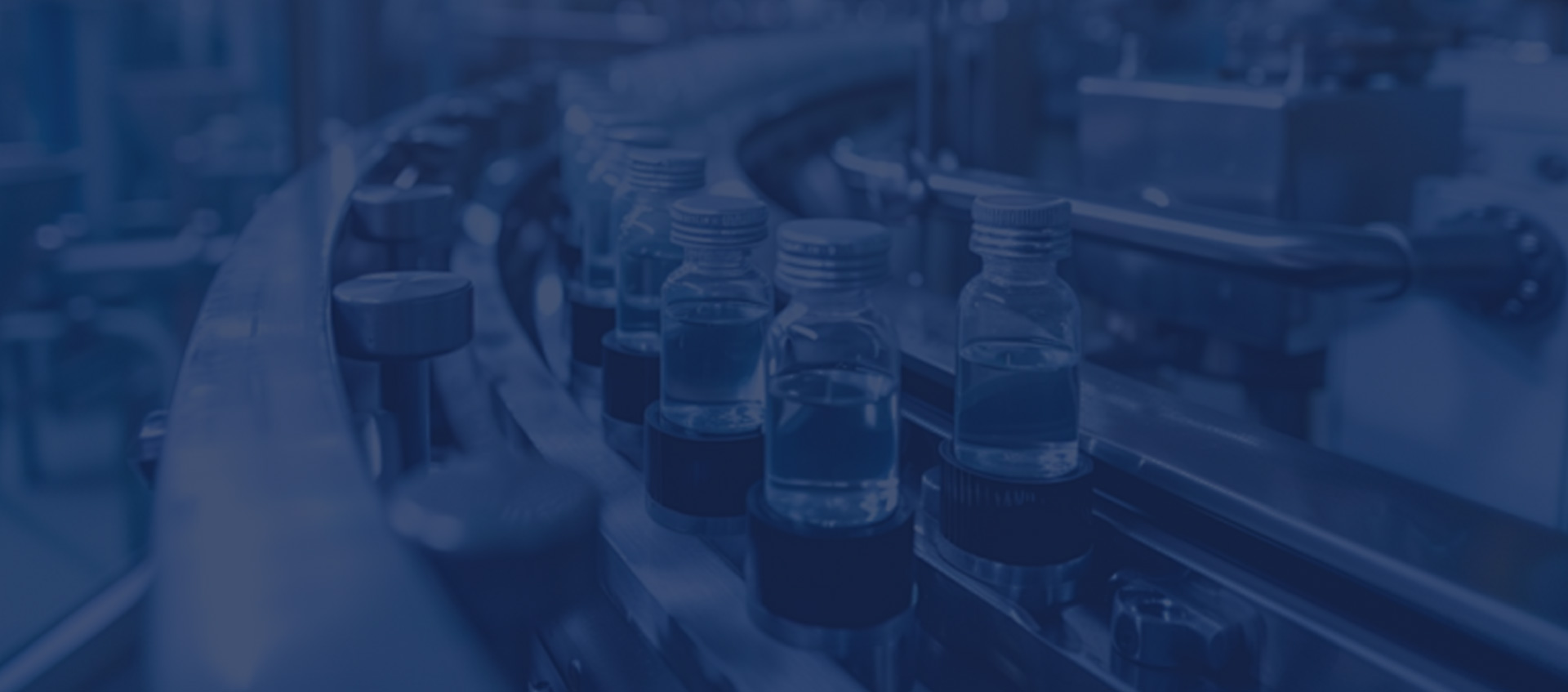
Starting a skincare brand requires more than creating attractive packaging or selecting popular ingredients. A successful skincare business needs clear product positioning, reliable manufacturing support, product development planning, and a partner who understands how to transform an idea into a finished product.
The most practical way to start a skincare brand is to work with a private label manufacturer that can support product development, customization, production, and brand-ready skincare solutions.
Private label manufacturing allows entrepreneurs and beauty companies to create their own skincare products without investing in their own factory, production equipment, and technical teams.
Instead of managing every manufacturing process independently, brands can cooperate with experienced skincare manufacturers to develop products that match their target customers and market positioning.
This approach is widely used by startups, e-commerce beauty brands, retailers, and companies expanding into new skincare categories.

Building a skincare brand traditionally requires investment in:
Product research and development
Manufacturing facilities
Production equipment
Quality management
Supply chain coordination
For many new brands, establishing an independent production system requires significant resources and technical knowledge.
Private label manufacturing provides another approach.
With a professional private label skincare manufacturer, brands can focus more on:
Brand strategy
Customer research
Marketing activities
Sales channels
Customer relationships
while the manufacturing partner supports product development and production.
Private label skincare allows brands to create products under their own identity while using professional manufacturing resources and development support.
This model helps companies enter the skincare market with more flexibility while maintaining control over brand positioning and product direction.
Private label skincare means a manufacturer produces skincare products that are sold under another company’s brand name.
The cooperation process usually includes several stages:
The exact process depends on the brand’s goals and required customization level.
Some companies prefer ready-to-customize products for faster launch, while others require deeper involvement in formula development and product design.
A suitable manufacturing partner should help brands balance product uniqueness, development requirements, and production feasibility.
Before contacting a manufacturer, brands should clearly understand their market direction.
A clear brand concept helps manufacturers provide more suitable recommendations and avoid unnecessary adjustments during development.
Brands should define:
Customer age group
Skin concerns
Lifestyle preferences
Purchasing behavior
Target market region
For example, a skincare line targeting younger consumers may require a different product strategy compared with a premium skincare brand focusing on mature customers.
Understanding customers helps determine:
Product category
Formula direction
Packaging style
Marketing message
A strong skincare brand needs a clear identity.
Brands should consider:
What problems do the products solve?
Who are the products designed for?
What makes the brand different?
What type of customer experience should the products create?
A manufacturer can provide better support when the brand has a clear product vision.
Selecting the right product categories is an important stage in skincare brand development.
Many new brands start with a focused product range instead of launching too many products at once.
Common skincare categories include:
When choosing products, brands should consider:
Customer demand
Market competition
Product positioning
Sales channels
Brand development goals
A private label skincare supplier can help brands evaluate suitable product directions based on manufacturing capability and market requirements.
GADETIN provides skincare manufacturing solutions for brands developing their own skincare product lines:
Skincare Manufacturing Solutions
Product development is one of the most important stages when creating a skincare brand.
Depending on project requirements, manufacturers may support:
Existing private label formulas
Formula adjustments
Product recommendations
Sample development
Manufacturing preparation
Brands should decide how much customization they need before selecting a supplier.
A professional skincare manufacturing partner should help brands turn product concepts into practical manufacturing solutions.
During product development, brands should communicate:
Product purpose
Target customers
Texture expectations
Ingredient preferences
Packaging requirements
Clear communication during this stage helps reduce unnecessary modifications later.
A reliable skincare manufacturer should understand both technical requirements and commercial goals.
Packaging plays an important role in skincare branding.
A product is not only defined by its formula but also by how customers experience the brand.
Packaging customization may include:
Brands should select packaging that matches:
Product positioning
Target customers
Sales channels
Brand image
A suitable manufacturing partner can help coordinate product requirements with packaging solutions.
After product specifications, formulas, and packaging requirements are confirmed, the project moves into production preparation.
A structured production process helps ensure that the final products match the approved requirements.
Important production considerations include:
Before manufacturing begins, brands should confirm:
Final formula requirements
Product specifications
Packaging details
Label information
Product presentation
Clear confirmation reduces communication problems and helps maintain consistency between samples and final production.
During manufacturing, brands should maintain communication with the supplier regarding:
Production progress
Quality requirements
Packaging preparation
Delivery arrangements
A professional skincare manufacturer should provide a clear cooperation process and support brands throughout production.
Selecting the right manufacturing partner is one of the most important decisions when building a skincare business.
A suitable supplier should provide more than production capacity. Brands should evaluate whether the manufacturer can support product development, customization, quality management, and long-term cooperation.
A manufacturer’s experience directly affects project communication and production efficiency.
Brands should consider:
How long the manufacturer has worked in skincare production
What product categories they support
Whether they understand private label projects
Whether they can handle different product requirements
A manufacturer familiar with skincare development can provide more practical recommendations during product planning.
Different brands have different requirements.
Some companies need simple private label products, while others require customized skincare development.
Before cooperation, brands should confirm:
Formula flexibility
Product customization options
Packaging support
Development process
This helps avoid choosing a supplier that cannot support the brand’s long-term goals.
Quality consistency is essential for skincare brands.
Before selecting a supplier, brands should understand how the manufacturer manages:
Raw material handling
Production procedures
Product inspection
Batch consistency
Packaging checks
A reliable skincare manufacturer should have clear quality management processes to help brands maintain consistent product standards.
Quality management should be discussed before cooperation rather than after production begins.
Skincare development usually involves multiple stages:
Product discussion
Sample review
Formula adjustments
Packaging confirmation
Production preparation
Good communication helps prevent delays and misunderstandings.
Brands should evaluate:
A manufacturing partner that understands the brand’s objectives can provide better support throughout the project.
Some entrepreneurs choose products based only on personal preferences.
However, successful skincare brands usually consider:
Customer needs
Market trends
Product positioning
Competitive environment
Before product development, brands should understand who they are serving and why customers would choose their products.
Cost is an important factor, but it should not be the only decision point.
A lower quotation may not include:
Product development support
Customization capability
Communication efficiency
Long-term cooperation value
Brands should evaluate the overall manufacturing capability rather than comparing only production costs.
New brands sometimes attempt to create a large product range immediately.
This can increase complexity in:
Product management
Inventory planning
Marketing strategy
Customer education
Starting with a focused product range can help brands test the market and gradually expand.
Manufacturers need clear information to provide suitable recommendations.
Before contacting a supplier, brands should prepare:
Product category
Target customers
Brand positioning
Expected customization level
Packaging preferences
Clear requirements improve communication efficiency and help manufacturers understand the project direction.
Starting a skincare brand requires coordination between product ideas, manufacturing capability, and market strategy.
GADETIN provides skincare manufacturing solutions for companies looking to develop private label skincare products.
The cooperation process focuses on supporting brands through different stages, including:
Product development discussion
Skincare manufacturing support
Product customization
Production coordination
For businesses entering the skincare market, working with an experienced manufacturing partner can simplify the transition from concept to finished product.
Learn more about GADETIN skincare solutions:
Private Label Skincare Manufacturing
Explore GADETIN skincare product categories:
Starting a skincare brand requires careful planning, from defining your target customers and selecting product categories to finding a suitable manufacturing partner.
Private label manufacturing provides a practical approach for businesses that want to create their own skincare products while using professional production resources.
A successful skincare brand requires clear positioning, suitable product development, reliable manufacturing support, and consistent quality management.
The right skincare manufacturer should not only produce products but also support brands throughout the journey from concept development to market launch.
By choosing a suitable private label manufacturing partner, beauty entrepreneurs can build a stronger foundation for long-term brand growth.
The cost depends on factors such as product type, customization requirements, packaging choices, production quantity, and development needs. Different skincare projects require different levels of investment.
Many entrepreneurs start by working with a private label skincare manufacturer. The manufacturer supports product development and production, allowing brands to focus on branding, marketing, and sales.
Startups should evaluate manufacturing experience, product development support, customization options, communication ability, and whether the supplier can support future product expansion.
Yes. Many skincare manufacturers provide customization options, including formula adjustments, product development support, and packaging customization based on brand requirements.
Private label skincare manufacturing usually includes product planning, product selection, development discussion, sample evaluation, packaging confirmation, production, and final preparation for market launch.
It depends on the brand’s goals. Private label products can provide a faster route to market, while custom development offers more control over product differentiation.
With over 10 years of experience in the beauty and personal care industry, Ying Hong has supported 200+ brands and 6,000+ product developments. Her expertise spans custom formulation, regulatory compliance, and OEM/ODM manufacturing. She shares practical insights to help beauty brands navigate product development and manufacturing.

 English
 Français
 Русский язык
 español


