Please don't hesitate to reach out to us whenever you need assistanco. Well make sure to respond to you promptly.
 lyang_huang@gadetin.com.cn
gadetin@gadetin.com.cn
 +86 136 7623 8313
 +86 153 3806 1804
 09:00 - 18:00
 No.2 Zhenglong 1st street, Dawang National Hi-tech Developmet Zone, Zhaoqing City, Guangdong, China

Working with a professional shampoo manufacturer involves much more than mixing ingredients and filling bottles. For an OEM or private label project, the process normally begins with product positioning and formulation requirements, then moves through sample development, formula evaluation, packaging compatibility, production preparation, bulk manufacturing, filling, and quality control. The OEM shampoo manufacturing process turns a brand concept into a repeatable commercial product through formulation, testing, production control, filling, packaging, and final inspection. For buyers, understanding this process is important because many decisions made before production—such as cleansing system, conditioning feel, viscosity, fragrance, packaging, and positioning—directly affect the development path. A brand looking for private label shampoo should therefore evaluate a manufacturing partner not only by price, but also by formulation capability, production coordination, quality management, and the ability to translate a product brief into a manufacturable formula. GADETIN supports hair care product development and manufacturing for brands looking to build or expand their product lines. You can explore the available hair care manufacturing solutions before planning an OEM shampoo project. One of the most common misconceptions is that shampoo manufacturing starts when ingredients enter a mixing tank. In practice, the production line comes much later. An OEM project usually starts with a commercial brief. Before discussing ingredients in detail, the manufacturer needs to understand what the brand is trying to sell and who will use the product. A useful shampoo development brief may cover: Target consumer Hair and scalp concerns Product positioning Cleansing level Desired conditioning feel Fragrance direction Texture and appearance Packaging format Target market Private label or custom formulation requirements This information creates the framework for the formulation team. A shampoo positioned for oily scalp care, for example, may require a different development direction from a shampoo focused on dry or damaged hair. Good shampoo development begins with a clear product brief, not with a random list of trending ingredients. The first technical-commercial decision is deciding exactly what the product should do. A brand may want to develop shampoo around different positioning directions, such as: The manufacturer should understand the desired outcome before detailed formulation begins. Questions may include: Is the product for dry, oily, normal, or damaged hair? Is scalp care an important part of the positioning? Will the product be marketed for frequent use? Is the target customer looking for a premium sensory experience? Does the brand have ingredient or formulation preferences? These decisions influence formulation choices later. Not every project requires the same development model. Some buyers want a proven base formula with branding and packaging customization. Others want a significantly differentiated formula. That distinction affects development complexity. Before detailed formulation work begins, the brand should determine how much customization it needs. Private label and custom development should not automatically be treated as competing models. They solve different business problems. Private label shampoo is usually focused on development efficiency, while custom shampoo formulation provides greater control over product characteristics and differentiation. For brands still determining which route fits their strategy, reviewing GADETIN's broader hair care product solutions can help clarify possible product directions. Once the product brief is clear, formulation work begins. A shampoo is a multi-component system. The formulation team must balance cleansing, foam, viscosity, conditioning, appearance, fragrance, preservation, and manufacturing feasibility. The final structure depends on the product concept rather than one fixed formula. Surfactants form the primary cleansing system in most shampoos. The formulation team evaluates how the surfactant combination affects: Cleansing performance Foam characteristics Skin and scalp feel Hair feel after rinsing Formula viscosity Compatibility with other ingredients A stronger cleansing profile is not automatically better. The system needs to match the intended user and positioning. Shampoo is judged not only during washing but also by how the hair feels afterward. Depending on the product concept, formulation work may consider characteristics such as: Slip during washing Detangling feel Softness Weight or lightness Rinse feel Fragrance experience The correct balance varies between product categories. Brands may also request ingredients that support a particular hair care story or product concept. However, adding more ingredients does not automatically improve a shampoo. Each addition must be considered in relation to: Formula compatibility Stability Sensory impact Production feasibility Product positioning A formulation should function as one complete system. After the formulation direction is established, the R&D team can prepare an initial sample. This is where the concept becomes something the brand can physically evaluate. A sample review may focus on: Brands should avoid giving vague feedback such as “make it better.” Specific feedback is much easier for a formulation team to act on. Instead of saying: The shampoo does not feel premium enough. A more useful development comment would be: We want a slightly richer texture, denser foam, and a softer feel after rinsing. That gives the manufacturer a clear adjustment direction. The first sample is not always the final product. Depending on project complexity, the formulation may require adjustments. Common development changes include: Viscosity adjustment Fragrance adjustment Foam modification Cleansing profile refinement Conditioning feel Appearance Ingredient preferences However, brands should avoid continuously changing the product brief. If positioning changes repeatedly during development, the manufacturer may effectively be developing a new product each time. Efficient shampoo R&D depends on a stable product brief and specific sample feedback. Packaging should not be treated as a separate branding decision made only after formulation is complete. The shampoo and container need to work together. Brands may use: Standard bottles Pump bottles Flip-top bottles Larger family-size containers Travel-size formats Customized packaging systems Important considerations include: Product viscosity Dispensing performance Closure compatibility Filling requirements Customer usage experience For example, a highly viscous shampoo may behave differently in a pump package than in a squeeze bottle. Packaging decisions can therefore affect both product experience and manufacturing preparation. A laboratory sample is produced at a small scale. Commercial production is different. Before moving forward, the shampoo manufacturer needs a clearly confirmed specification so that the product can be transferred into a larger manufacturing process. The final confirmation normally covers areas such as: Approved formula Product appearance Fragrance Texture Packaging Filling format Label or packaging requirements Quality specifications At this point, the project should move from continuous creative development toward controlled manufacturing. Once the formula and packaging are confirmed, production planning begins. The manufacturer prepares the materials needed for the production batch. This may involve coordination of: Formula ingredients Packaging components Bottles Closures Labels Cartons Other project-specific materials Supply chain planning matters because a shampoo can be ready from a formulation perspective while packaging components are still unavailable. Brands should therefore confirm packaging and production requirements early rather than treating them as final-stage tasks. Commercial shampoo production typically uses controlled mixing equipment rather than laboratory-scale tools. The exact sequence depends on the formulation. In general, manufacturing may involve stages such as: Preparing the required production equipment. Adding designated materials according to the process. Mixing under controlled conditions. Adding different formula components at the appropriate production stage. Adjusting product characteristics as required by the manufacturing specification. Completing bulk product preparation. Conducting relevant checks before filling. The manufacturer must control the process so that the commercial batch reproduces the approved product characteristics. Scale-up is not simply making a laboratory formula in a larger container; mixing behavior and production conditions must be controlled for repeatable manufacturing. After the bulk shampoo is approved for the next stage, it moves into filling and packaging. A typical line may include: Container feeding Filling Capping or closure application Labeling Coding where required Secondary packaging Final packing Packaging accuracy matters because the bottle is the customer's first physical interaction with the product. A strong formula paired with poor filling or packaging presentation can still create a weak brand experience. Quality control should not be treated as one final inspection after everything is finished. A structured shampoo production process may involve checks across multiple stages. The exact control plan depends on the manufacturer, product type, destination market, and project requirements. Brands should discuss quality expectations before placing the production order. GADETIN positions quality assurance and manufacturing as part of its broader beauty manufacturing system, alongside private label and formulation services. Brands considering a larger hair care program can learn more through the GADETIN manufacturing and private label platform. Customization can involve much more than simply putting a logo on a bottle. Depending on the project and manufacturing model, brands may discuss customization in several areas. Possible areas include: Cleansing profile Conditioning feel Texture Fragrance Appearance Ingredient preferences A shampoo may be positioned around: Daily cleansing Scalp care Moisturizing Damage repair Lightweight hair care Specific brand concepts Brands may also customize: Bottle format Closure Label appearance Outer packaging Product set configuration The practical customization range should always be confirmed with the manufacturer before development begins. A clear inquiry can make the OEM process significantly more efficient. Before contacting a manufacturer, prepare as much of the following information as possible: Product type Target consumer Core product positioning Target market Preferred formula characteristics Ingredient preferences or restrictions Fragrance direction Packaging concept Expected customization level Reference products, if relevant You do not need to know every technical detail. A professional hair care manufacturer should be able to translate commercial requirements into development questions. What matters is being clear about what you want the product to achieve. A shampoo should solve a clear customer need. Adding fashionable ingredients without a coherent positioning strategy can make the product story less focused. Frequent changes to target consumer, positioning, fragrance, texture, or formula direction can extend development unnecessarily. Confirm the commercial concept before intensive formulation work. Packaging can affect filling, dispensing, and product experience. It should be considered during development rather than after the formula has already been finalized. A quotation does not explain the entire development capability of a supplier. A B2B buyer should also evaluate: Formulation support Sampling process Production coordination Quality management Packaging cooperation Communication efficiency Before moving from an inquiry to a manufacturing project, evaluate whether the supplier can support your specific development model. Ask questions such as: Can you support private label and custom shampoo projects? How do you convert a product brief into a formula direction? How is sample feedback handled? What can be customized? How is the formula transferred from sample development to production? How are production specifications confirmed? How are packaging components coordinated? What controls are used during manufacturing and filling? If shampoo is only the first product in a larger hair care strategy, consider whether the manufacturer can also support future category expansion. A company developing shampoo today may later need: Conditioner Hair mask Scalp care Leave-in care Other customized hair care products Choosing a partner with broader hair care manufacturing capabilities can make future product development easier to coordinate. The biggest lesson for brands is that formulation, packaging, production, and quality cannot be managed as isolated decisions. A successful shampoo project connects: Market positioning → product brief → formulation → samples → packaging → scale-up → production → quality control → finished product. Weakness at any stage can affect the next stage. For example: An unclear brief creates inefficient formulation work. Poor sample feedback creates unnecessary revisions. Late packaging decisions delay production preparation. A formula that has not been considered for scale-up can create manufacturing challenges. That is why experienced buyers evaluate the complete production system rather than asking only, “How much does one bottle cost?” GADETIN provides private label and custom beauty manufacturing services across multiple personal care categories, including hair care. For a brand developing shampoo, the objective should be to create a manufacturing workflow that connects product concept, formulation requirements, packaging, production, and future product planning. Brands researching shampoo, conditioner, scalp-care, or broader hair care development can explore GADETIN's Hair Care solutions or review the broader GADETIN beauty manufacturing platform. OEM shampoo manufacturing is a structured development and production process rather than a single factory operation. It begins with a clear product brief, progresses through formulation and sample refinement, and then moves into packaging confirmation, scale-up, manufacturing, filling, and quality control. For brands, the right shampoo manufacturer is one that can connect formulation development with repeatable commercial production while keeping the project aligned with the intended market position. Understanding this process makes it easier to communicate with suppliers, compare manufacturing proposals, identify potential risks, and prepare a shampoo project for commercial production. An OEM shampoo manufacturer produces shampoo for another brand according to agreed product and manufacturing requirements. Depending on the supplier, services may include formula development, sampling, filling, packaging, and production support. Private label shampoo generally uses an existing product solution with branding or selected customization, while custom formulation involves developing or significantly adapting the formula around a specific brand brief. The process generally includes product briefing, formulation, sample development, formula confirmation, packaging selection, production planning, bulk manufacturing, filling, packaging, and quality control. Not necessarily. Many brands work with manufacturers that provide private label options or formulation development. The suitable model depends on how much product differentiation and formula control the brand requires. Depending on the manufacturer and project, customization may include formula direction, texture, fragrance, appearance, packaging, labeling, and overall product positioning. Evaluate formulation capability, hair care manufacturing experience, customization options, sample process, production controls, packaging support, communication, and ability to support future product expansion. Many hair care manufacturers support multiple categories. If you plan to expand beyond shampoo, confirm whether the supplier can support related products such as conditioners, masks, scalp care, or other hair care formats.
Shampoo Manufacturing Starts Before the Production Line
Stage 1: Define the Shampoo Product Concept
Define the Target Consumer
Decide How Customized the Product Needs to Be
Stage 2: Choose Between Private Label, Formula Adjustment, and Custom Development
Stage 3: Build the Shampoo Formula
Cleansing System
Conditioning and Sensory Components
Functional and Supporting Ingredients
Stage 4: Develop the First Laboratory Sample
Stage 5: Refine the Formula Through Sample Iterations
Stage 6: Evaluate Formula and Packaging Compatibility
Stage 7: Confirm the Product Specification Before Scale-Up
Stage 8: Raw Material Preparation and Production Scheduling
Stage 9: Bulk Shampoo Manufacturing
Stage 10: Filling, Capping, and Packaging
Stage 11: Quality Control Across the Manufacturing Process
What Can a Brand Customize in an OEM Shampoo Project?
Formula Direction
Product Positioning
Packaging
What Buyers Should Prepare Before Contacting a Shampoo OEM Manufacturer
Common Mistakes in Private Label Shampoo Development
Treating Trending Ingredients as the Product Strategy
Changing the Brief After Every Sample
Selecting Packaging Too Late
Comparing Shampoo Manufacturers Only by Unit Price
How to Evaluate a Shampoo Manufacturer for an OEM Project
About Product Development
About Manufacturing
About Long-Term Cooperation
From Formula to Shelf: Think of Shampoo OEM as One Connected System
Working with GADETIN on Hair Care Product Development
Conclusion
FAQ
What is an OEM shampoo manufacturer?
What is the difference between private label shampoo and custom shampoo formulation?
How does the OEM shampoo manufacturing process work?
Do I need my own formula to work with a shampoo manufacturer?
What can be customized in a private label shampoo?
How should I choose a shampoo OEM manufacturer?
Can an OEM manufacturer develop both shampoo and other hair care products?
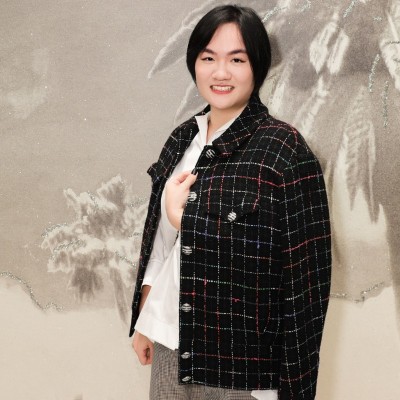
With over 10 years of experience in the beauty and personal care industry, Ying Hong has supported 200+ brands and 6,000+ product developments. Her expertise spans custom formulation, regulatory compliance, and OEM/ODM manufacturing. She shares practical insights to help beauty brands navigate product development and manufacturing.

 English
 Français
 Русский язык
 español


